 Hide message

Australia's energy system is changing, and homes and businesses are at the centre of it. More rooftops are generating power. More batteries are storing it. More neighbourhoods are sharing it. Here's what that means for how you use energy, now and in the years ahead.
How solar and batteries work in your home
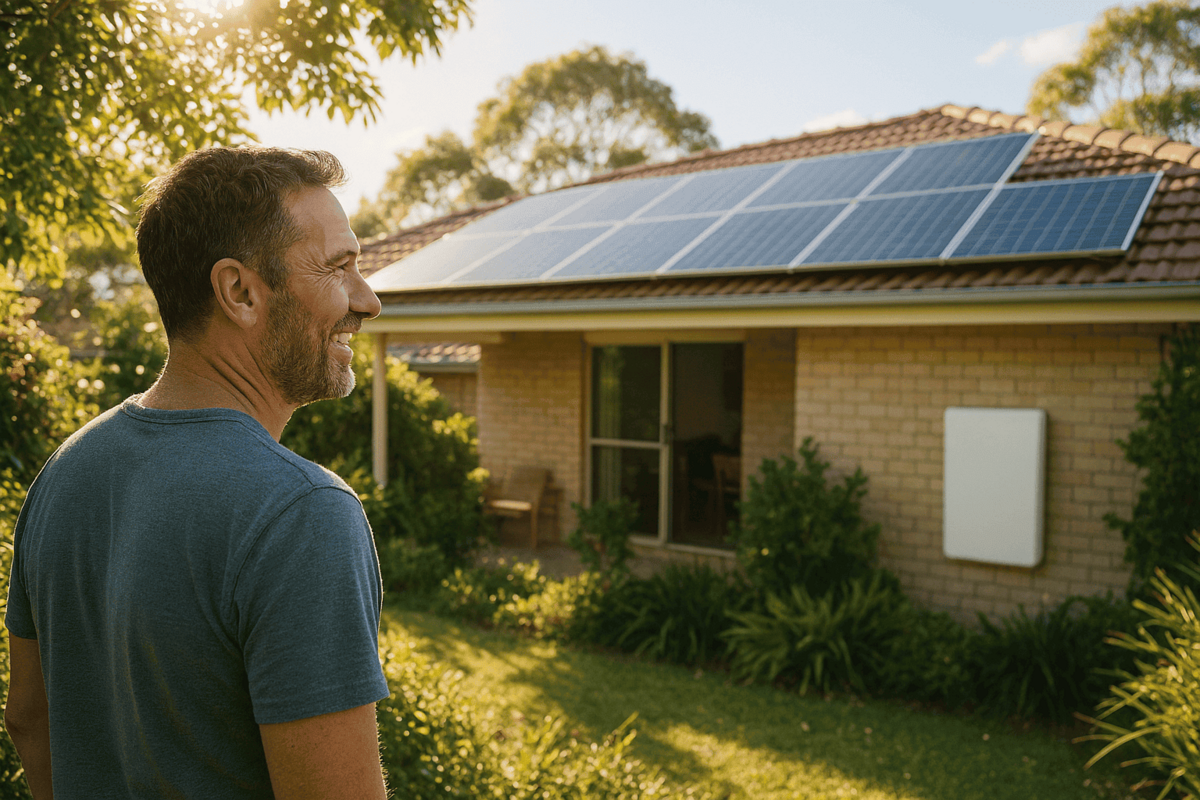
A solar system turns sunlight into electricity you can use straight away, store, or send back to the grid. A home battery can hold onto the power your solar panels generate during the day, in addition to energy from the grid, so you can draw on it, in the evening.
Together, they can change the shape of your energy use. Instead of relying on the grid for everything, your home can generate, store and manage more of its own power. On a sunny day, a well-sized system can cover a large share of a household's daytime electricity use. What's left over, or what you can't use, either charges your battery or flows back to the grid, contributing to Australia's overall energy mix.
None of this happens by accident. The right setup depends on your roof, your household's energy use, and your budget, which is why getting good advice before you invest matters more than any single product.
Have solar panels at your home? Check out Solar Max
Community batteries in your neighbourhood
Not every home is suited to rooftop solar or a battery of its own. Renters, apartment residents and homes with shaded or unsuitable roofs can miss out on the shift that's happening elsewhere.
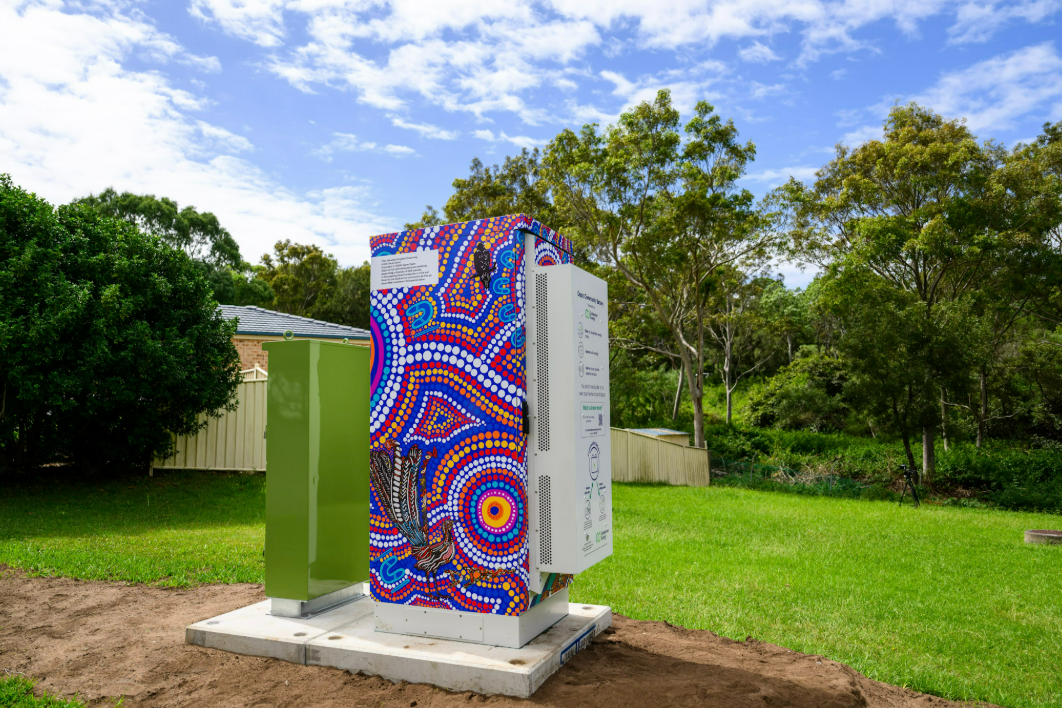
Community batteries are one answer. Batteries installed in the community store energy from the grid when it's abundant, like when the sun is shining and rooftop solar is generating. The batteries can then release it when homes need it most, like during the evening. By charging during times of excess and making it available when it's in demand, community batteries can help.
We're aiming introduce a new plan for customers with access to a community battery in 2027.
Powering the future with Virtual Power Plants
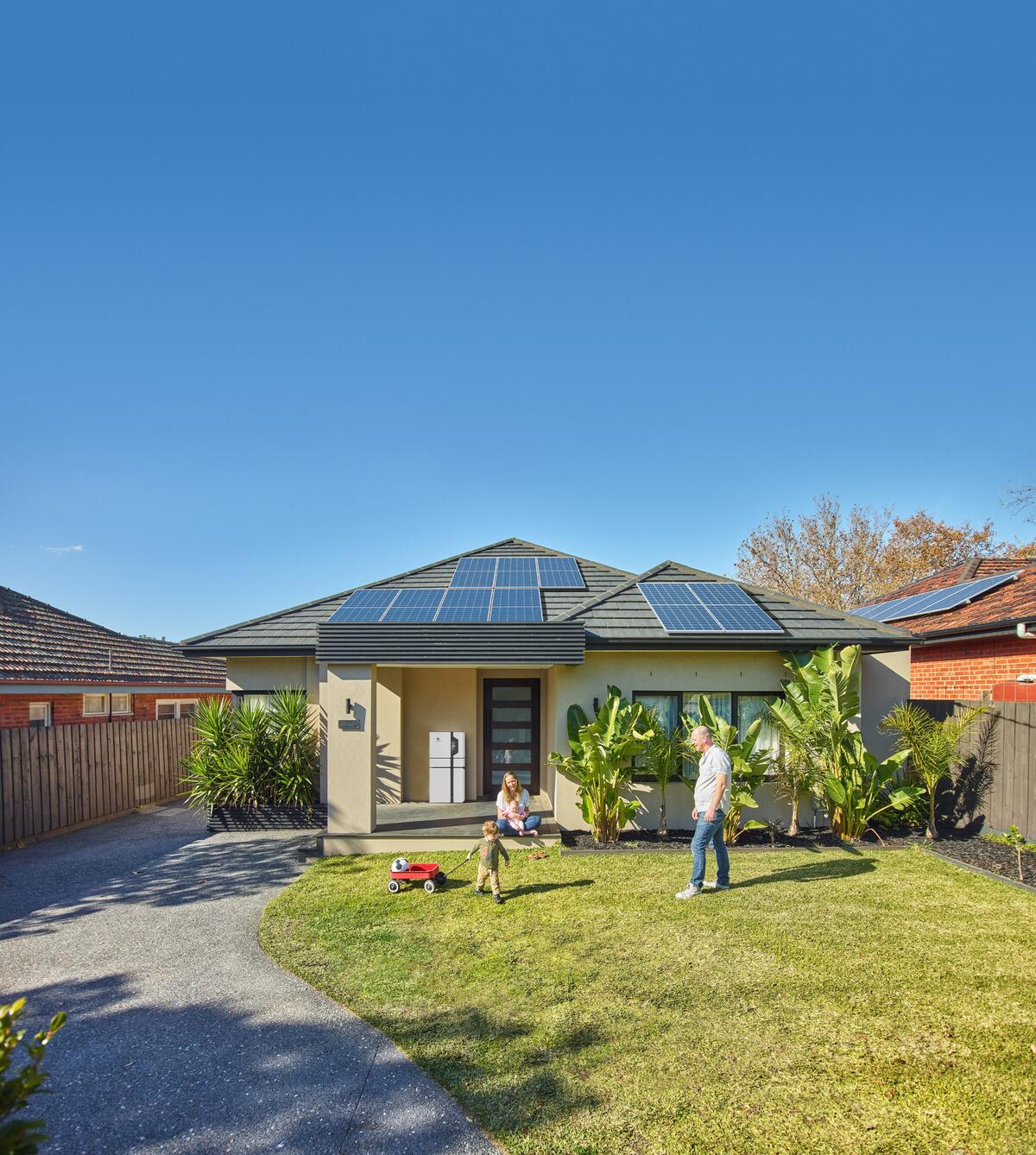
Australia is a land of sunshine, so it’s no surprise so many households have installed rooftop solar and home batteries. This opens the door to a Virtual Power Plant (VPP), the ‘people power’ of energy.
Much like everyone bringing a plate to a BBQ, a VPP lets many households share the energy from their solar and battery systems. Software ‘virtually’ joins these systems together and sends their collective energy into the grid at peak times.
It’s a shift from the traditional one-way flow from large generators to homes and shows how thousands of small household decisions can help the whole system run more reliably.
This is a different model to the traditional one-way approach of generating energy in Australia, where electricity is sent from large power generators to individual households.
With the introduction of privately owned solar panels, a two-way electricity supply began – from the grid into households, and from households into the grid.
Solar and batteries for your business
Solar and batteries aren't only a home energy story. Businesses of every size, from a single site to a multi-site operation, are looking at the same technology to manage electricity costs and understand their energy use more closely.
Solar and battery sales and installs for businesses aren't something we do anymore – but supporting you still is. Our dedicated team of business experts is still here to help you understand and meet your energy needs.
Chat to our business or commercial and industrial team today.
Finding an accredited installer
If you're considering solar or a battery for your home or business, the quality of the install is just as important as the equipment itself.
The Clean Energy Council (CEC) maintains a public directory of accredited installers and designers across Australia, covering both residential and commercial-scale systems. It’s a simple way to find someone qualified to assess your site and do the work safely.
Accreditation means the installer has met the Clean Energy Council's training, safety and code-of-conduct standards – so you can proceed with confidence.
Find a CEC-accredited installer
Support for your EnergyAustralia solar and battery system
We don’t install solar and battery anymore – but we are still here to support.
If you've got a solar or battery system through us, we're here to help with things like warranties, servicing and general support. Reach out to us via solarcustomercare@energyaustralia.com.au.
The shift to cleaner energy is happening now, and we're here to help you make sense of it – from solar and batteries to what's next for how Australia powers up. Because at EnergyAustralia, we're working towards a world of only green lights.
Frequently asked questions
- Environmental
When you switch to solar energy, you play a key role in Australia’s shift towards clean and renewable power. This is because solar energy comes from sunlight, making it a sustainable source of energy which does not produce any direct greenhouse gas emissions.
- Financial
Solar energy can reduce your electricity bills because by generating and using your own power, you’re using less power from the grid. You can sell unused excess power back to the electricity grid if you choose.
- Low maintenance, more value
Aside from routine maintenance, cleaning and health checks, your solar system will largely be set-and-forget.
Solar panels are installed in a non-shady spot so that they can capture the sun’s energy. This energy is captured as direct current (DC) and must be converted to alternating current (AC). It’s then sent to an inverter to be converted for use in your home or office. This power can be sold back to the grid or stored in a battery if it’s not used immediately.
On sunny days, your solar panels may capture more energy than you actually use. When that happens, excess energy is either stored in a local battery for later use or sold back to the grid.
This means that during the cloudy days, if you have bought and installed a battery, energy you’ve stored in the past can be drawn from it, in addition to energy from the grid.
If you didn’t store energy and your panels aren’t generating enough energy to power your home, additional energy will be purchased from the grid.
Although cloudy days don’t generate as much energy, the sun’s UV rays still provide some power.