Hide message

School holidays + bad weather + a gaming PC is a pretty reliable recipe for a higher than desired energy bill.
Gaming PCs can use up to 10 times more power than a regular laptop or console. So if your household has one running for hours a day, it's worth understanding what that actually means for your bill.
How to figure out what it's using
You don't need to be tech-savvy to check this. Two straightforward options:
The first is to grab a plug-in power meter (they're cheap and available at most hardware stores) and run the gaming setup through it. Check the average over a couple of hours, since power draw changes depending on what's happening on screen. This is the most reliable method, and you can use the same meter on other appliances around the house.
The second is to look up the power rating (in watts or kilowatts) listed in the device's specifications. Add up the main components, then multiply by your electricity rate (which is on your bill) to get a rough cost per hour. It'll be a slight overestimate, but useful as a starting point.
Small changes that actually help
You don't need to ban the console to make a dent:
- Turn off or unplug anything that's not actively being used. External hard drives, headsets, and second monitors all add up.
- Close programs running in the background. They draw power even when they're not on screen.
- Swap out overhead lights in the gaming room for LEDs if you haven't already.
- A pedestal fan aimed at the player beats running the air con for one person in one room.
Turning it into a learning moment
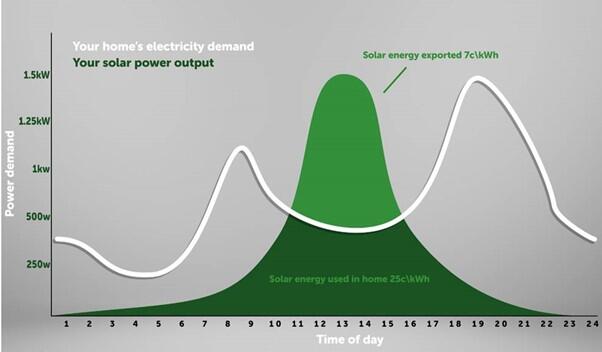
If your home has solar, show your kids the generation app. It's a genuinely interesting way to see that solar only produces during the day, while most households use the most energy in the evening. Suddenly the concept of timing your usage makes sense in a way that no explanation really can.
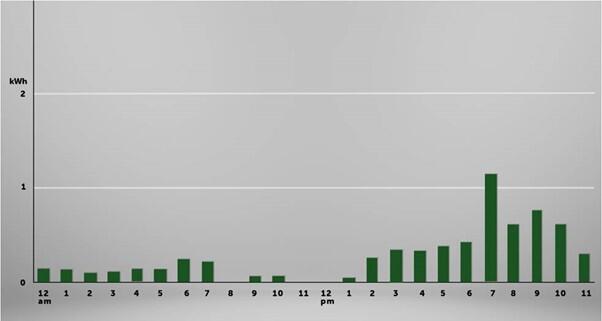
No solar? Pull up the energy usage charts in your EnergyAustralia account (online or in the app). The hourly and daily breakdowns can show your kids exactly when the household is using the most power. You might spot a few surprises yourself.
Kids who understand where energy comes from, and what it costs, tend to make better choices about how they use it. And honestly, getting them to check an app might be the easiest sell of all.