Hide message
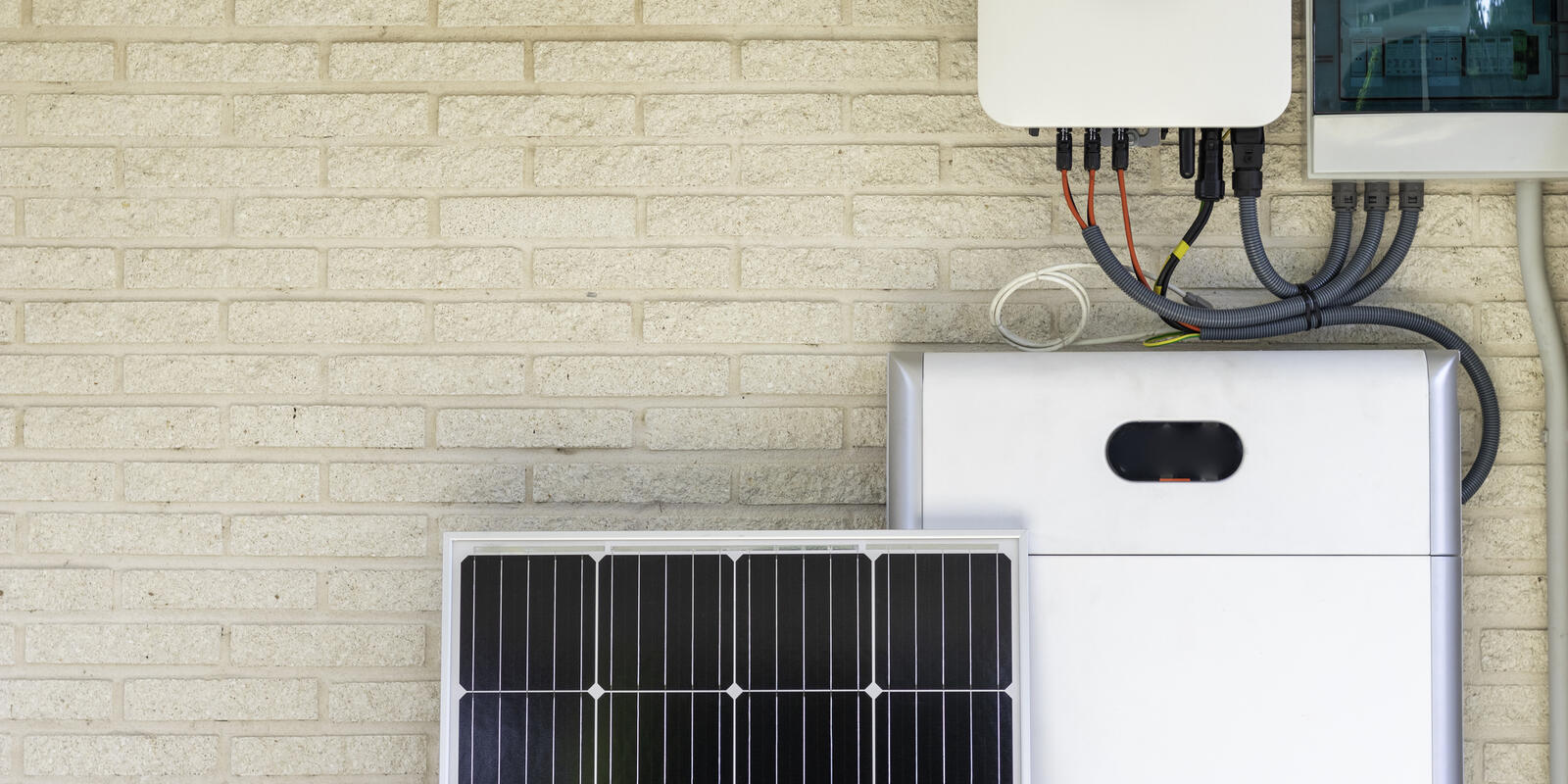
If you have rooftop solar or a home battery (or both!) you've probably come across the Standing Offer Solar Sharer plan (or Midday Power Saver in Vic). Before deciding whether it's worth exploring, it helps to understand how it fits with the way you already generate, store and use electricity.
What is the Standing Offer Solar Sharer plan?
Standing Offer Solar Sharer is a new time-of-use electricity plan that gives eligible households a 3-hour free usage period during the day. During this window, your first 24 kWh of electricity use is not charged. This cap is calculated as an average across your billing period rather than a strict daily limit – for example, using 14 kWh one day and 34 kWh the next still averages to 24 kWh per day, so all of that usage remains within the cap for both days. In New South Wales and Queensland, that window runs from 11.00am to 2.00pm. In South Australia, it's 12.00pm to 3.00pm.
It works best when you can shift some of your electricity use into that window by running appliances – like dishwashers, washing machines and battery charging – during those hours.
Standing Offer Solar Sharer may not suit customers who can't shift their usage into the free usage period. If usage isn't shifted, customers may face higher costs than on other plans. Usage above the reasonable use cap will be charged, and you'll still pay any applicable non-usage charges such as the daily supply charge, charges for usage outside the free usage period, and any applicable controlled load usage charges.
Standing Offer Solar Sharer is a standalone electricity plan, not an add-on. So, if you're on another plan and want to access it, you'll need to activelyswitch to it.
You don't need rooftop solar or a home battery, but you do need an eligible smart meter to take it up.
Consider the whole plan, not just the free usage period
A free usage period sounds simple, but solar and battery households often have more complex energy patterns than most. You might be:
- generating electricity during the day from rooftop solar
- using that solar directly in your home
- exporting unused solar to the grid and receiving a feed-in tariff (FiT)
- storing solar in a home battery
- drawing on grid electricity in the evening or overnight
Each of these affects how relevant a daytime free usage period actually is for your household.
The key question isn't just "is some of my electricity free?" It's "how does this plan compare against everything I'm already doing – including my rates, FiT, supply charge and the way my solar and battery set-up works?"
Standing Offer Solar Sharer should be assessed against the whole plan and your household's usage pattern, not just the free usage period.
If you have rooftop solar
Many solar households are already generating electricity during the middle of the day, which is exactly when the free usage period applies. Here are a few things worth checking.
How much electricity do you use during the day? If most of your daytime needs are already covered by your own solar, there may be less room to shift additional usage into the free usage period.
How much solar are you exporting? If you're currently exporting unused solar and receiving a FiT, compare the FiT you receive now to the one you'd receive on Standing Offer Solar Sharer.
What are the rates outside the free usage period? Usage rates outside the free usage period, including in the evenings, may be higher than on your current plan. This matters if your household's main usage happens later in the day.
What is the daily supply charge? A daily supply charge applies on all plans. It's worth checking how it compares with your current plan, as it contributes to your total bill no matter how much electricity you use.
Could you shift some more usage into the free usage period? Even with solar, there may be appliances or habits you could schedule to make use of the window.
For solar households that can shift some usage into the window, Standing Offer Solar Sharer may be worth understanding. Compare the full plan, including your FiT, usage rates and daily supply charge, before deciding.
If you have a home battery
A home battery changes the comparison because it lets your household store energy and use it at different times of day. That makes the free usage period worth thinking through more carefully.
Is your battery already charging from solar during the day? It may already be charging from your own solar generation during the middle of the day, meaning you may using less electricity from the grid during the free usage period to add to your setup than it might initially seem.
Could battery charging push you over the reasonable use cap? Battery charging draws a considerable amount of electricity. Combined with other household usage in the same window, it's possible to exceed the 24kWh daily reasonable use cap, which is averaged across the billing period. Any usage above it will be charged. Rates outside of this period may be higher, it's worth comparing your rates
Do you want to actively manage your battery? Standing Offer Solar Sharer doesn't manage or optimise your battery. You may need to schedule your battery's charging behaviour yourself each day. If you'd rather your battery work automatically based on your tariff, weather forecasts and usage habits, a managed battery electricity plan handles that for you.
What are the rates outside the free usage period? Usage rates outside the free usage period, including during evening peak times, may be higher than your current plan. For households that draw on grid electricity in the evenings, this is worth weighing up.
For battery owners who want full control and are comfortable actively managing their charging, its worth understanding the full extent of both plans. For those who want their battery optimised automatically across the whole day, a managed battery plan may be more relevant. Compare the full plan before deciding.
How Standing Offer Solar Sharer differs from a feed-in tariff
These are two separate things, but they often come up together.
A feed-in tariff (FiT) is about electricity you don't use. When your solar system generates more electricity than your home needs, the excess is exported to the grid and you receive a credit based on your FiT rate.
The Standing Offer Solar Sharer plan is about when your household draws electricity from the grid. The free usage period covers electricity consumed during the window, not electricity exported.
Your current FiT and the Standing Offer Solar Sharer FiT may be different. Check both before switching.
A straightforward way to think about it: Your FiT is about what energy you export. Standing Offer Solar Sharer is about what energy you use, and when you use it.
How Standing Offer Solar Sharer differs from battery-focused plans
Battery-focused plans are designed for households with a home battery. They may involve:
- Managing how your battery charges and discharges across the day
- A FiT for solar exports
- Virtual Power Plant (VPP) participation
- Credits or other features tied to your battery
Standing Offer Solar Sharer is different. It's a general electricity plan built around encouraging some daytime energy use. Battery charging may be possible during the window, but the plan isn't designed to manage a battery – you'd need to handle that yourself.
If you're on a managed battery plan like Battery Ease, it's worth knowing that switching to Standing Offer Solar Sharer means leaving behind the battery optimisation, VPP participation and any associated credits your current plan may include.
What to check on your bill before deciding
Your bill has most of the information you need to compare plans. Before making any decisions, it helps to work through a few key areas.
Your usage patterns: understanding when you use electricity is the starting point. Look at how your usage breaks down across the day, not just total consumption.
- When do you use the most electricity?
- How much do you use during the middle of the day?
- How much do you use in the evening?
- Could you reliably shift enough usage into the free usage period each day?
- Could your household usage exceed the 24 kWh daily reasonable use cap (averaged across your billing period) during the window?
Your solar set-up: if you have rooftop solar, your bill should show how much you're exporting and what FiT rate you're receiving. Both affect the comparison.
- How much solar are you currently exporting?
- What FiT are you receiving?
Your rates and charges: look at the full cost picture, not just the usage rate.
- What are your current usage rates?
- What is your daily supply charge?
- Do you have controlled load charges?
- When does your battery usually charge and discharge?
Questions solar and battery households should ask
Beyond your bill, a few broader questions are worth thinking through:
- Am I usually home during the day?
- Can I schedule appliances during the free usage period?
- Does my solar system already cover much of my daytime usage?
- Do I export a lot of unused solar?
- Would a battery help me use solar at different times of day?
- Do I want to actively manage my usage or battery charging?
- Do I understand the rates and charges outside the free usage period?
What it comes down to for solar and battery households
Standing Offer Solar Sharer may be worth considering if you can reliably shift some electricity use into the free usage period. But for solar and battery households, the comparison is rarely that simple.
Your FiT, your battery setup, when you use electricity and the rates outside the free usage period, including during evening peak times, all matter. A plan that offers free electricity during the day may not be the right fit if most of your usage happens in the evenings, if your battery is already charging from solar during those hours, or if the rates outside the free usage period don't suit your usage pattern.
Compare the full plan, not just the free usage period. Your energy rates, FiT, usage patterns, daily supply charge, controlled load charges, battery setup and the 24 kWh reasonable use cap (averaged across your billing period) all form part of the picture.
Thinking about switching to Standing Offer Solar Sharer? Give us a call.
Interested in solar and batteries? Ask for a quote today.
Want an electricity plan with VPP participation? Check out Battery Ease.