Hide message
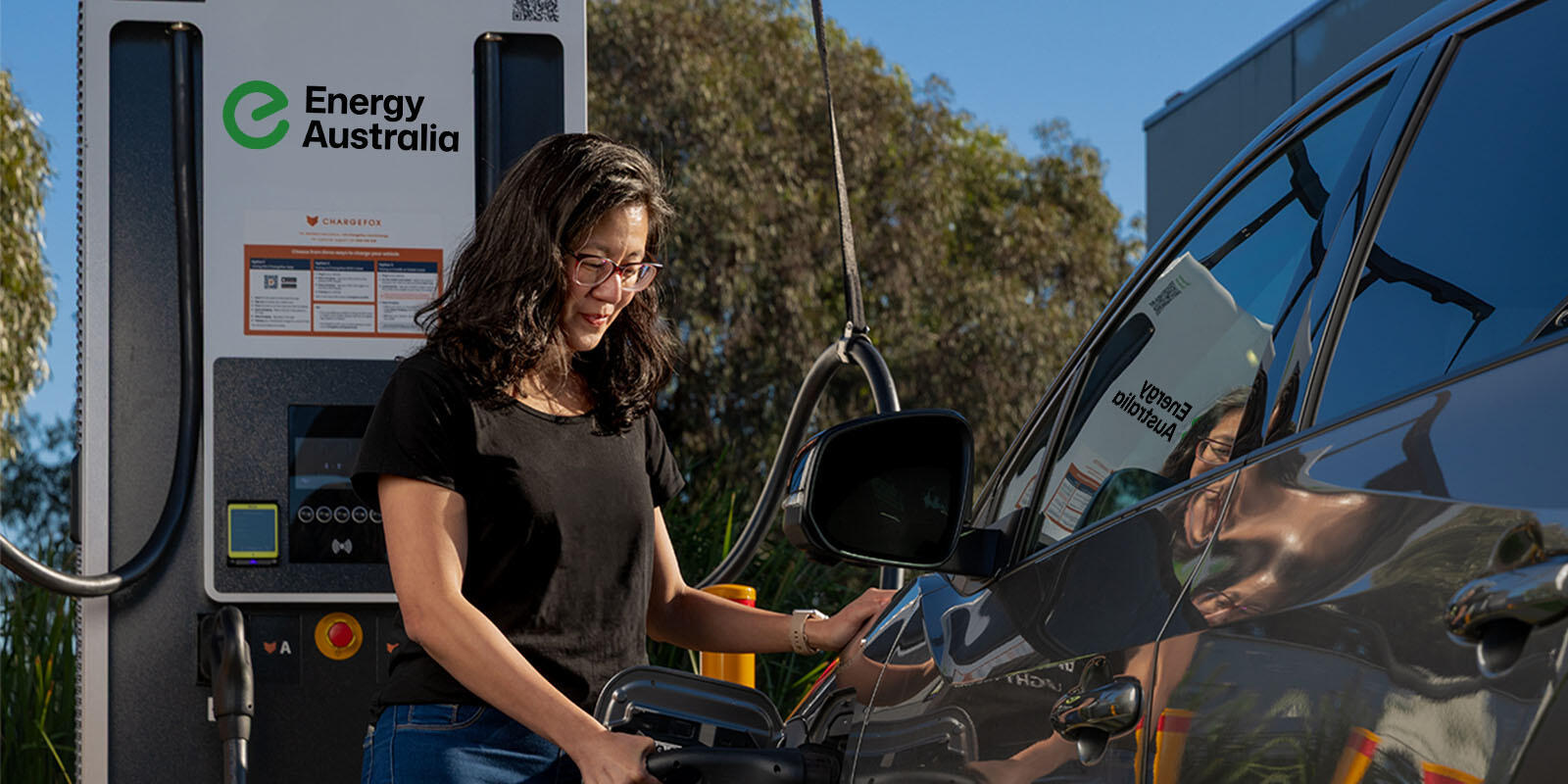
Made the move to an electric vehicle? There's a lot to get used to. And it always seems like the little, unexpected things can cause the biggest hassles. Like getting used to your car's charging habits. Making a mental note about the top-up charge spots everywhere you go. But there's one thing that probably won't make that list, right up until the day you need it, where does your car hide its emergency charging-cable release?
Here's the moment it matters. Your charge is done, you try to unplug, and the connector won't budge. It happens more than you'd think, and it's almost never a broken charger or a broken car. EVs lock the connector in place while charging, usually while the car itself is locked. This happens to protect against your charging session being inadvertently cut short, or worse, like someone walking off with your charging cable. Most of the time it's not a problem, the plug frees itself the moment the session ends and the doors are unlocked. Sometimes it doesn't.
That's why knowing where to locate the manual release is a good idea. Nearly every EV on the road has one, a cable, loop, lever or latch tucked near the charge port, usually under the bonnet or in the boot. It's the carmaker's backup for exactly this moment: session finished, car unlocked, plug still stuck. A comms glitch between car and charger, or a minor fault can leave the lock engaged when it shouldn't be. The manual release lets you disconnect your car and carry on.
This guide covers where that release lives, brand by brand. Treat it as a last step, not a first one, work through the quick checks below before you go looking for a release cord.
Before you reach for the manual release
Most stuck plugs can be resolved by one of these easy fixes:
End the session properly, in the app or at the charger, and give it about 30 seconds.
Lock and then unlock the car again. The connector lock usually follows the door lock.
Try the connector again, plug it straight.
Check your owner's manual for charge-port unlock steps. Some cars have an unlock button in the manufacturer's app or on the centre screen.
Still stuck? Call Chargefox (a major EV support network wholly owned by Australia's motoring clubs) on 1300 518 038, any time.
Still having difficulties? The manual release is your next move.
How the manual release works
Every car design is a little different, but the principle is the same: a mechanical override that unlocks the connector pin without relying on power or software. To engage a manual release, you'll need to stop charging first, open the bonnet or boot near the charge port, and depending on your car, pull a cable or shift a lever. A few models need a trim panel removed, or a small tool.
Once you're in the right spot, the release is usually easy to identify: a tagged or coloured pull loop, a labelled latch or a cable with a handle. On some cars it sits behind a small cover you'll need to pop off first.
Never pull a manual release while a DC fast charger is still delivering power. Wait until the charger shows the session has ended. On some cars the manual release is designed for AC charging only, so if a DC fast-charge plug is stuck, call support rather than forcing it. A locked connector is safe where it is, and the charger isn't harmed by waiting, a damaged charge port is a far more expensive problem.
Where to look for the manual release on these EVs
The release almost always sits on the same side as your charge port, so the quickest way to orient yourself is to find your charge port side and look there. One catch for Australia: many overseas guides describe left-hand-drive cars, and on a right-hand-drive car the port, and the release with it, can be mirrored to the other side. Treat these as general locations and confirm against your own car's manual before you pull anything.
Audi: Location varies widely by model and year. Open the in-vehicle manual and search "emergency release charging connector".
BMW (i4, i5, i7, iX): These rely mainly on the electronic unlock. End the session in the car's charging menu or the My BMW app, then lock and unlock the car with the key. Many current BMW EVs don't have a simple driver-accessible manual release, so if the electronic methods fail, contact BMW roadside or a dealer.
BYD (Atto 3): Open the bonnet and pull the lock latch inside to release the connector, then pull the plug out within 30 seconds before it locks again (this is the Australian owner's manual procedure). On Australian cars the charge port is at the front right, by the driver, so the latch is on that side.
Cadillac (LYRIQ): Under the bonnet, above the shock tower on the charge-port side, beneath a plastic trim panel. Look for a finger loop on the release cable and pull it. This is the cable release, not a charge-door release, and it shouldn't be pulled during DC fast charging.
Genesis (GV60, Electrified GV70, Electrified G80): On the GV60, which shares the Hyundai and Kia E-GMP platform, the release is a pull cord in the boot, behind an access panel, check your manual for the exact side. The Electrified GV70 and G80 are built on different platforms and may place it elsewhere, so confirm in your manual.
Hyundai (IONIQ 5, IONIQ 6): Open the tailgate and pull the emergency cable, which sits behind a cover in the luggage area (this is the Australian owner's manual procedure). Ease the connector out as you pull. The manual shows the exact spot in a diagram, so check it for the side. The Kona Electric is a different platform, so check its manual separately.
Jaguar Land Rover: On the Jaguar I-PACE, open the bonnet and pull the emergency release ring next to the charge port. If the bonnet won't open, there's a backup cord behind a cap in the right front footwell. Other JLR EVs vary, so check the manual.
Kia (EV6, EV9): Same E-GMP platform as the IONIQ 5. The release is a pull cord or knob in the boot, behind an access panel, check your manual for the exact side. The Niro EV and Niro PHEV are a different platform, so check the Niro's manual separately.
Lexus (RZ): The RZ shares Toyota's bZ4X platform, so the release is under the bonnet: a thin emergency release wire you pull. The UX 300e differs, so check its manual.
Mercedes-Benz: Varies widely by model and year. Check the in-vehicle manual.
MG (MG4): In the boot, behind a small panel that pops off with a screwdriver, on the same side as the charge port (rear left on Australian cars). It's placed there so you can pull the release and ease the cable out together. The manual notes it can take a firm pull, and a flat 12-volt battery is a common trigger, the lock won't budge.
MINI (Cooper Electric): Like other current BMW Group EVs, it leans on the electronic unlock, end the session in the car or app, then lock and unlock with the key. Check the manual for any manual release and contact MINI roadside if the electronic methods fail.
Nissan (Leaf): Open the bonnet and find the lever on the charge-port lock actuator behind the charge port (on right-hand-drive cars it's on the opposite side to the manual's left-hand-drive picture). Turn it clockwise with a flat-blade screwdriver until it stops to release the connector. A flat 12-volt battery is a common reason the lock won't budge, so it's worth checking too.
Polestar: Check your owner's manual for the emergency charge-cable release for your model or contact Polestar.
Porsche: Varies widely. Check the in-vehicle manual for "emergency release charging connector".
Rolls-Royce (Spectre): Built on BMW Group EV underpinnings, so it works the same way: end the session in the car or app, then lock and unlock with the key. Check the manual for any manual release and contact Rolls-Royce if that doesn't work.
Subaru (Solterra): Shares Toyota's EV platform. Under the bonnet, look for a thin emergency release wire with a small handle, and pull it.
Tesla (Model 3, Model Y and earlier Model S and Model X): On current Model 3 and Model Y software, try this first: with the car unlocked (or your phone/key nearby), pull and hold the rear left door handle for about three seconds. This stops the session and releases the cable in one step, so you may not need to go near the boot at all. If that doesn't work, or your car doesn't have the feature yet, the fallback is in the boot or rear cargo area, on the same side as the charge port, behind a small interior trim panel. Make sure the car isn't charging, then pull and hold the thin release cable (sometimes called a rip-cord) while you ease the connector out, don't let go until it's free. The location is consistent within each model.
Toyota (bZ4X): Under the bonnet, look for a thin emergency release wire with a small handle and pull it.
Volkswagen (ID range): Varies by model and year. Check the in-vehicle manual for "emergency release charging connector".
Volvo: Varies widely. Check the in-vehicle manual.
When you're not sure, stop and call
If the release needs real force, if it involves tools you don't have, or if you simply can't find it, stop and get professional help. A locked connector is safe where it is, and the charger isn't damaged by waiting. If your car has an internal fault holding the lock shut, that's one for the manufacturer or roadside assistance.
Call Chargefox support on 1300 518 038, any time.